
I rarely train for vacation. But Iceland was different.
Between the two of us, my husband, Rick, and I hiked for miles and miles (including a steep sheep trail up a mountain); he competed in a 100k gravel bike race; I snorkeled between continents; and raced up hills on a spirited, but sweet, Icelandic horse. We also chased waterfalls, crossed rugged lava fields to see an actual erupting volcano, visited thermal baths (fancy and not), rode a Zodiac into a glacial lagoon filled with icebergs, traversed black sand beaches and walked along seaside cliffs to see puffins.

As I’m approaching one of those “big decade birthdays,” this trip was a reminder to do what I want while I can.
Here are the highlights along with some tips.
We arrived in Iceland first thing in the morning, stopped by duty free for a bottle of Buffalo Trace bourbon (trust me, alcohol is ungodly expensive in the regular state-owned liquor stores), hopped in our rented 4×4 SUV and headed to Reykjavik, the world’s northernmost capital city.
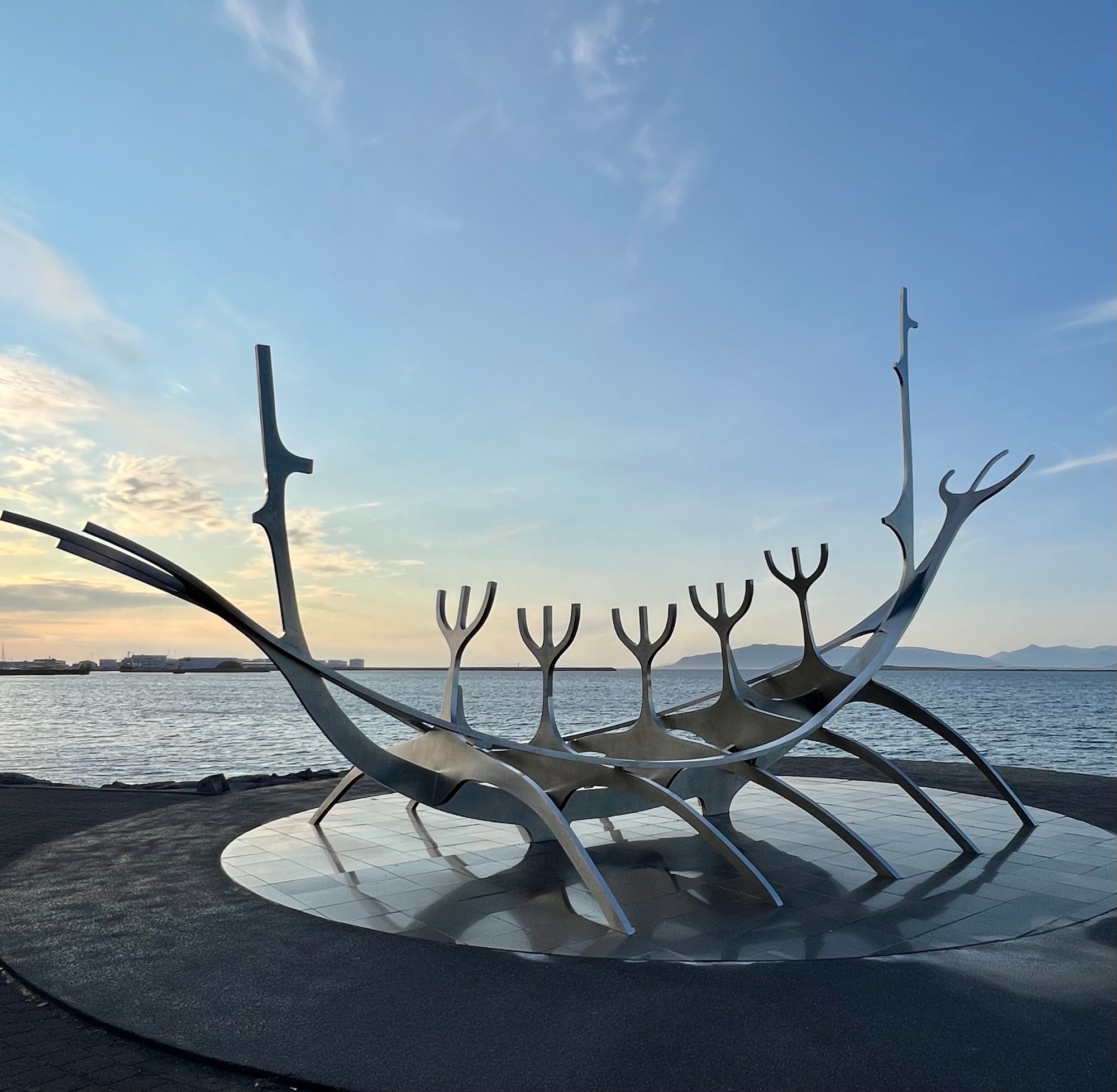
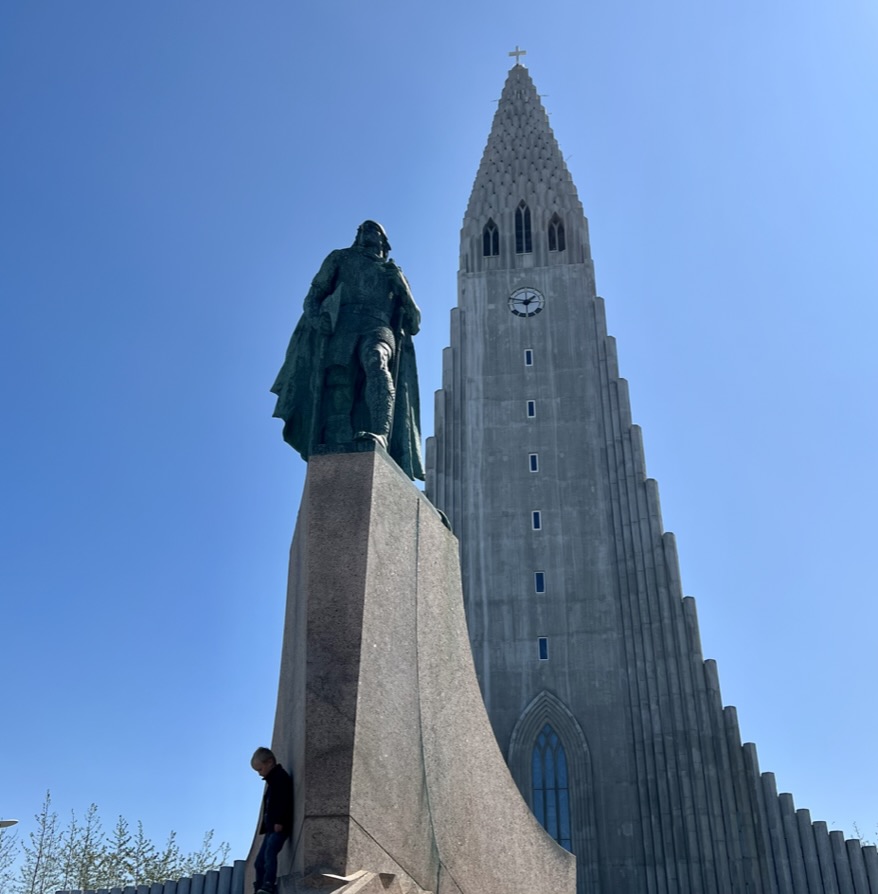
As we always do, we took a city tour to get a feel for the place. Our CityWalk VIP tour (only four of us) tour began in front of Hallgrímskirkja, a beautiful church with a statue of explorer Leif Erikson in front. (This church, rising above all else, was our guiding landmark around the city.) Its unique architecture is based on natural elements—especially the hexagonal basalt columns of the famous Svartifoss as well as glaciers and lava formations. We went to the top for the panoramic view and timed that to the ringing of the church bells. We marveled at the Harpa (concert hall) with its cladding of geometric-shaped glass panels that resemble fish scales, the Sun Voyager sculpture of a Viking longship on the waterfront and Laugavegur Street (translates to “wash road” but is also known as Rainbow Street and is highly Instagram-able) with its cool shops and restaurants. We visited The Handknitting Association of Iceland for souvenirs (that way we knew they are made in Iceland of Icelandic wool.) We walked around Tjörnin, a natural pond surrounded by beautiful Icelandic architecture in the heart of Reykjavik. In the nearby City Hall, we saw a 3-D map of the entire country. (We revisited this map at the end of our trip, and it was even more fascinating having traversed much of the South and Southeast by that time.)



Adventure
The next day, we headed east, and the adventures began.
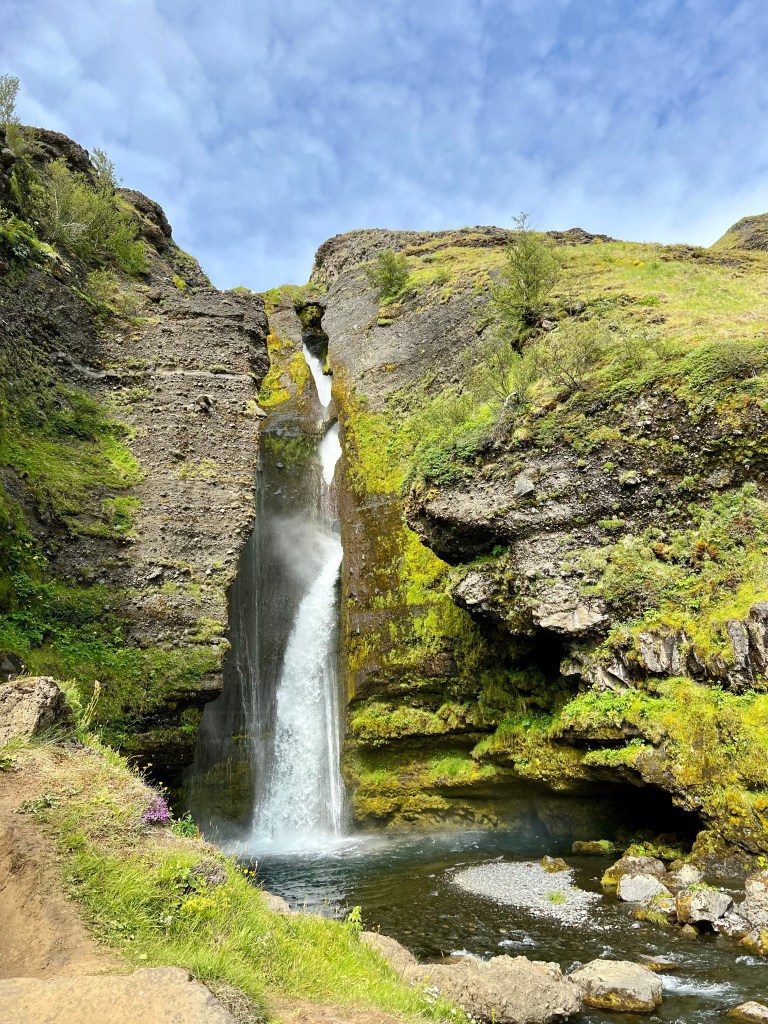
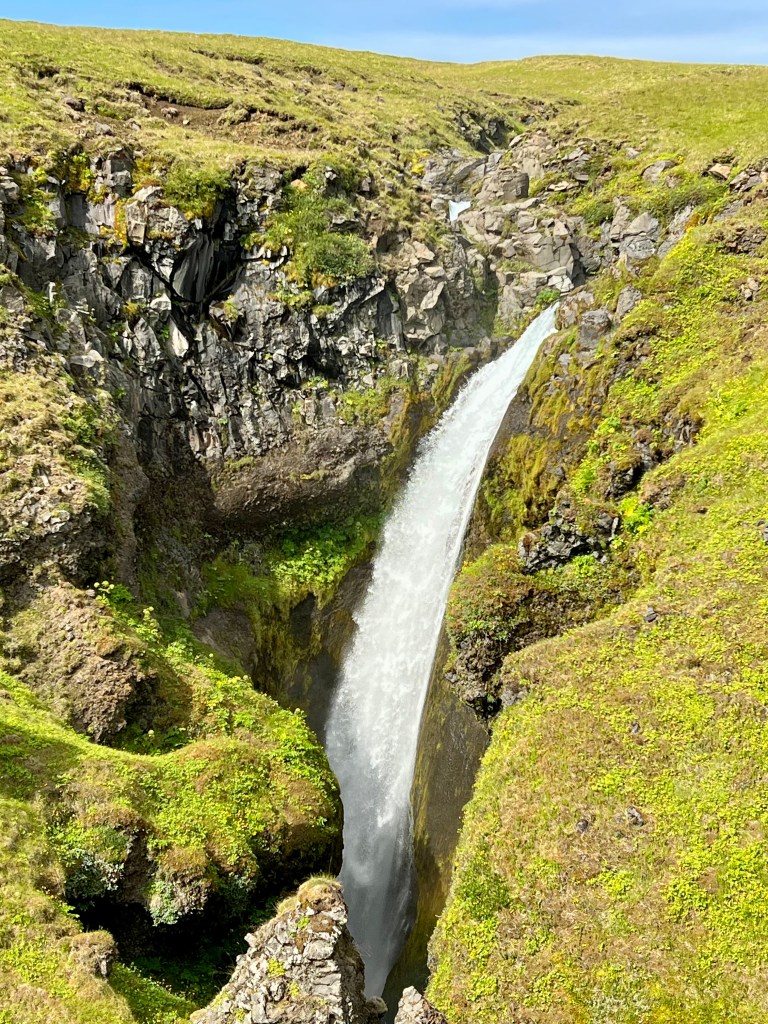
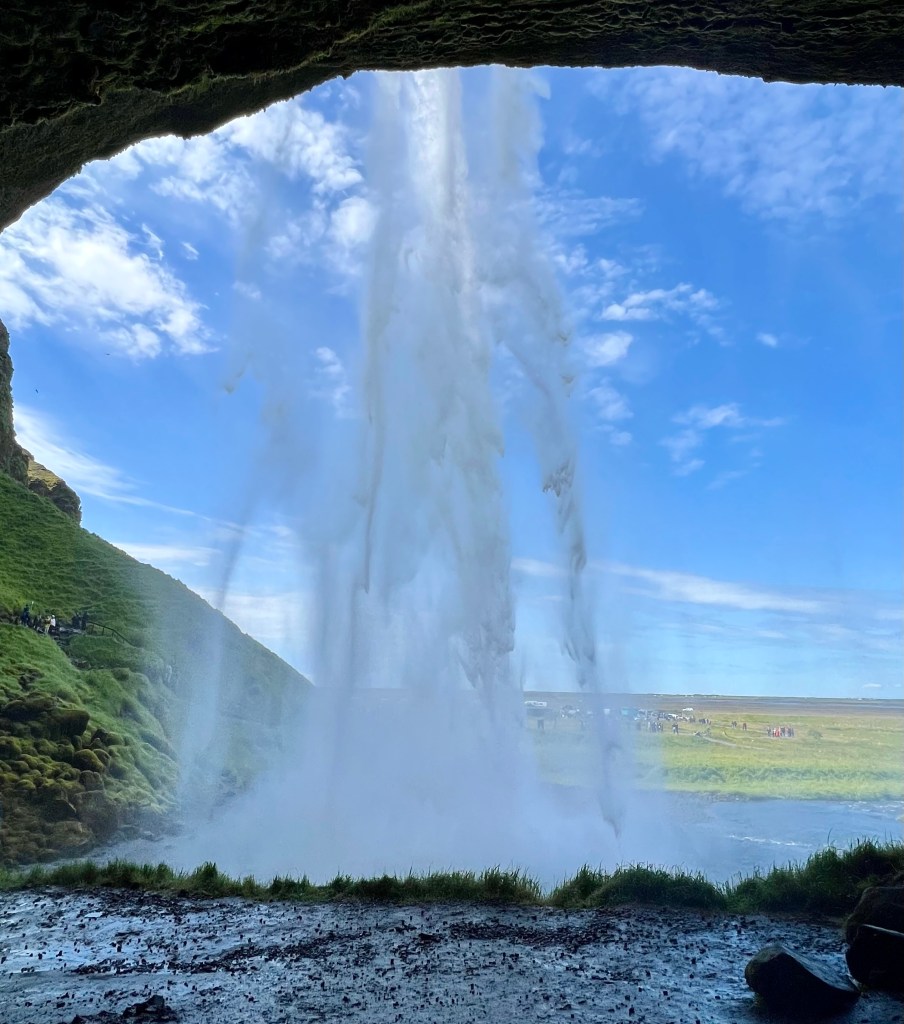
We periodically exited the Ring Road (Routh 1) for waterfalls. The 200-foot Seljalandsfoss is one of the most photographed in Iceland and it was our favorite because we could walk behind it. We walked to the nearby Gljufrafoss, which is in a short slot canyon. We drove to the less crowded Gluggafoss (Window Falls) about 20 minutes away to see this two-step fall where water rushes out of “windows” in the soft, eroded bedrock. Then we hiked up the steep sheep trail on the right of the waterfall and left the other tourists behind. There are several more falls on this trail, and we hiked past all of them along the Merkjá River where we had a great view of the glacier volcano Eyjafjallajokull (pronounced EH-ya-FYAH-tia-YUR-kutl) which paused the world by disrupting global air travel when it erupted in 2010 and also jump started a surge in tourism here by reminding people of what a geologically fascinating place Iceland is. We filled our water bottles straight from the Merkjá before we hiked back because why not? Iceland has some of the purest water in the world. Back in the car and still heading east, we stopped by the majestic (and crowded) Skogafoss.

The next day we traveled further east on the Ring Road for icebergs and glaciers.
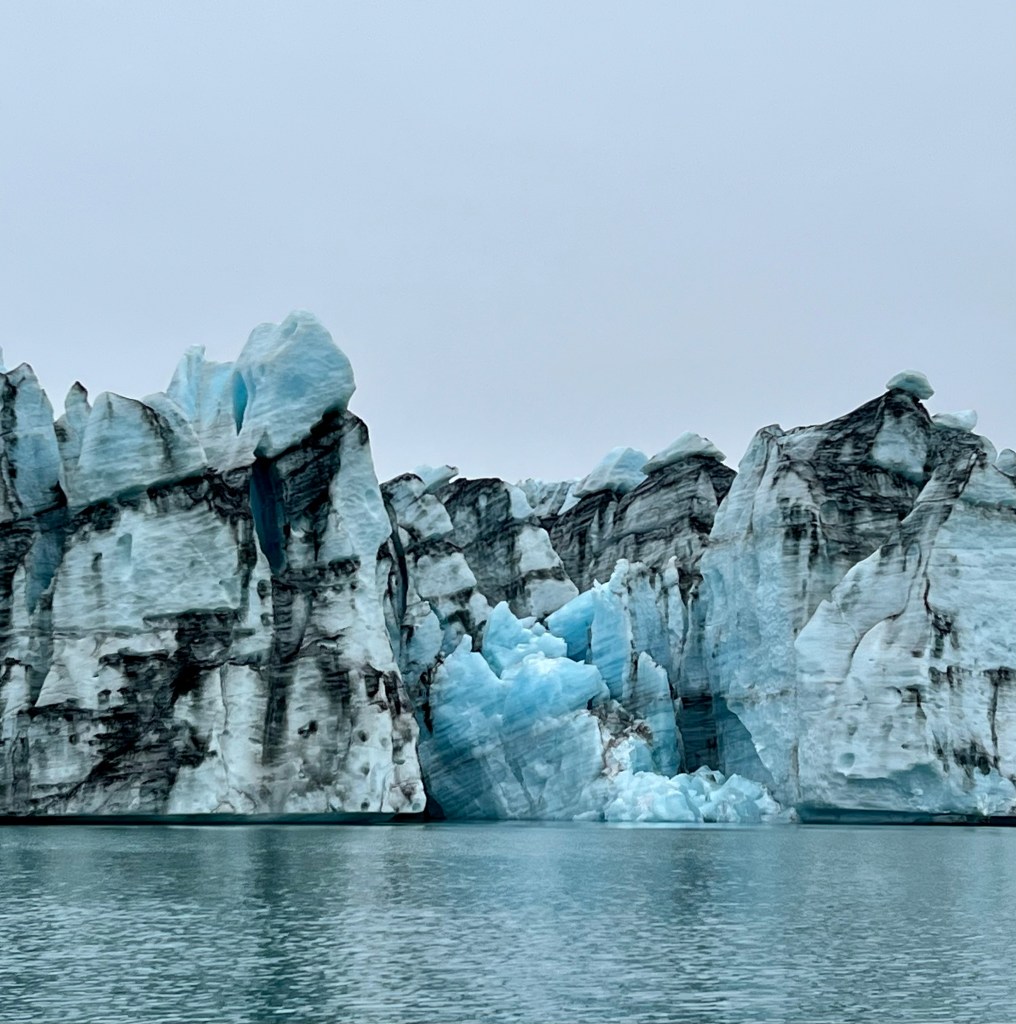
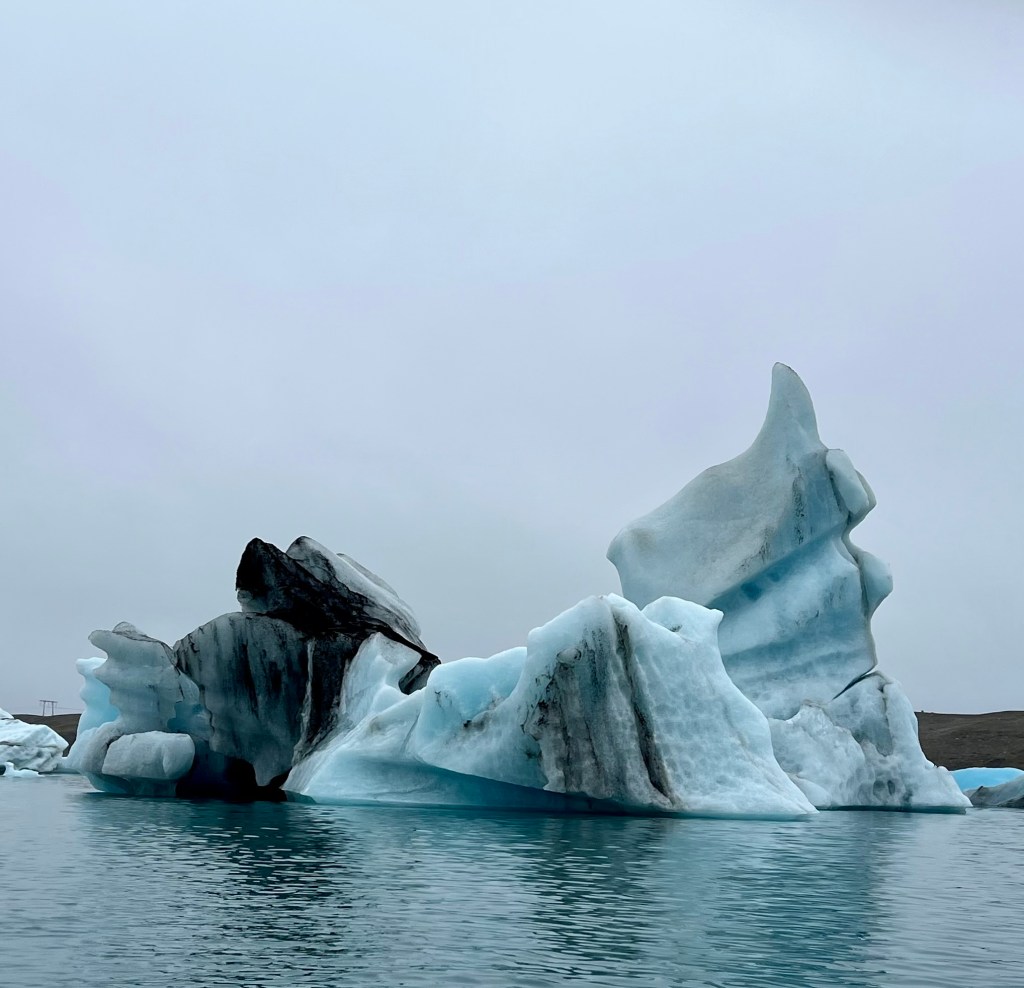
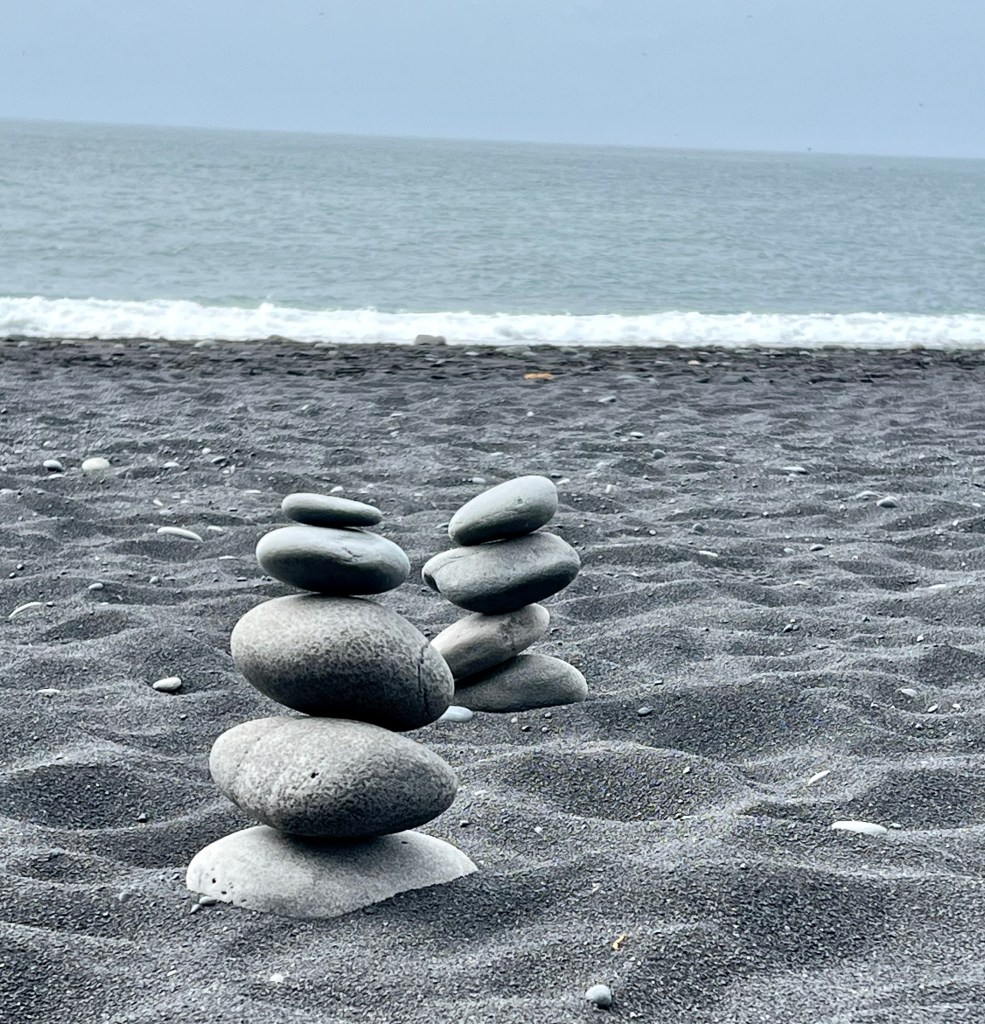
We started with a Zodiac boat tour of Jökulsárlón glacier lagoon where we marveled at the newer blue icebergs; the older white ones; the occasional sleek seals; and the very edge of the immense Vatnajökull glacier, which covers about 10 percent of the country. This glacial lake, Iceland’s deepest, is teeming with icebergs large and small that have broken off the glacier. Later, we walked along the beaches near the lagoon to see the pieces of water-polished ice that wash up and sparkle like diamonds on the black sand. (We were going to go to Diamond Beach, but our lagoon guide said there were very few “diamonds” there at the moment.) And we visited the nearby Fjallsárlón glacial lagoon because it’s less crowded than its neighbor but no less beautiful.
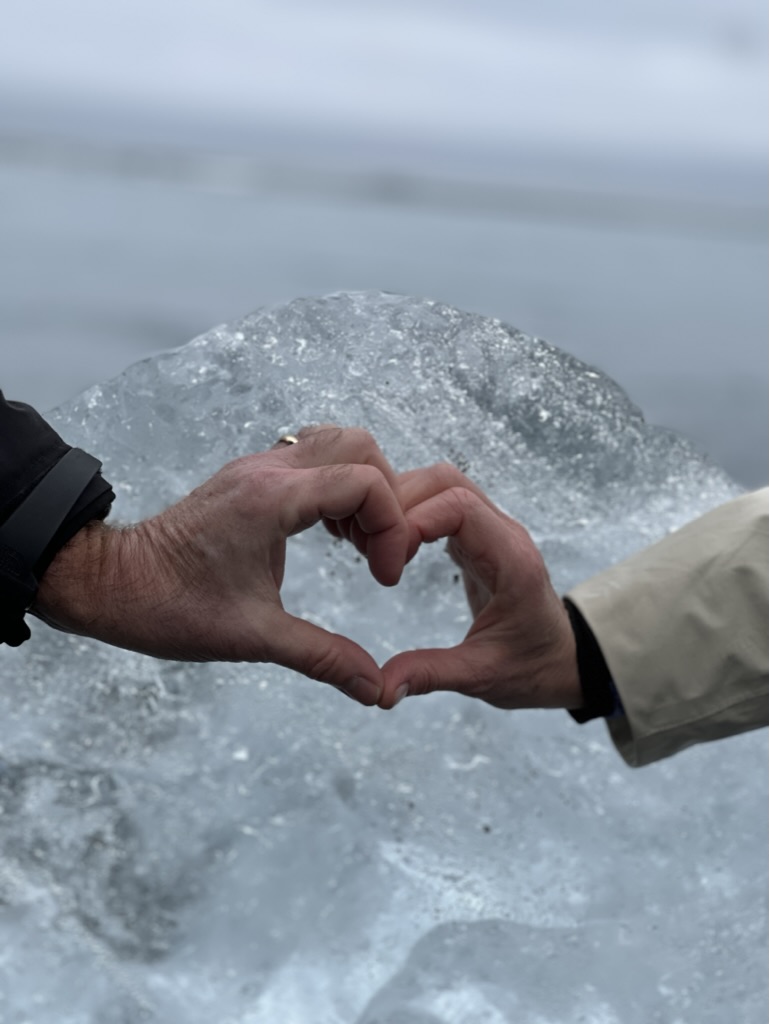
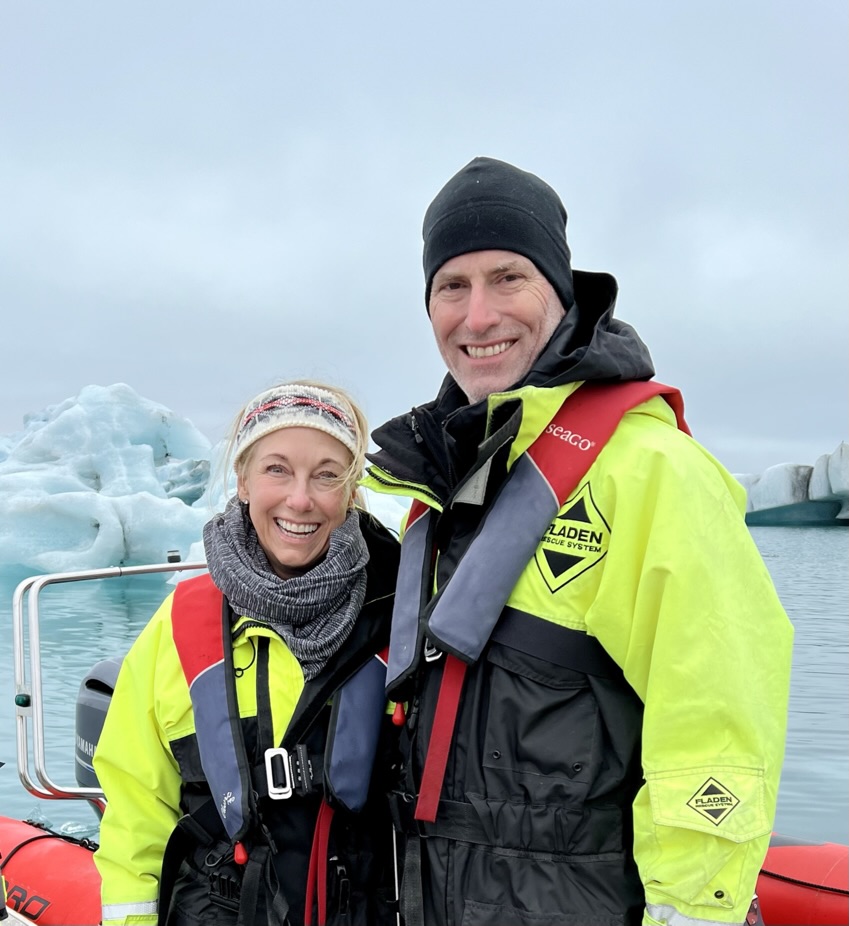
Then we headed to Vatnajökull National Park and the Skaftafell Nature Reserve where we hiked to Svartifoss (the black waterfall) shooting off a cliff of distinctive black hexagonal basalt columns.

Later that afternoon, we spent a few hours hiking along Fjaðrárgljúfur Canyon (“Feather River canyon”), an epic, massive canyon with lots of great and sturdy infrastructure in place for anyone’s prime viewing.

All this was in one day. Having 22 hours of daylight in the summer means you can do so much!
The next day, on our way back west to the site of Rick’s bike race in Hvolsvollu, we stopped by the world-famous black sand beach at Reynisfjara, near Vik, with its enormous basalt rocks and cave and the sea stacks called Reynisdrangar (the Troll Rocks). We saw our first puffins on the cliffs above this stunning, but dangerous beach. (Beware of sneaker waves.) Then we drove to the nearby Dyrholaey (translates to “the hill island with the door hole”) promontory arch and lighthouse where we got to see the pretty, little puffins up close!
While Rick and a friend were on their 100k (62-mile) race over gravel paths and through glacial rivers, a friend and I took a ferry to Vestmannaeyjabær (the Westman Islands) for the day. We started with a self-guided tour (from Rick Steves’ book) of the fishing village on Heimaey the largest and only inhabited island in the Westmans. Then we took an inflatable boat tour around the island and saw more puffins (the largest Atlantic puffin colony in the world is here) and, from afar, the newest piece of earth on earth: Surtsey island, which formed from an undersea volcano in 1963.



We hiked along paths through moss-covered lava fields to the Eldheimar Museum, which is dedicated to telling the story of the devastating 1973 eruption of Eldfell, the volcano that buried half the town. There is a recovered (not restored) house in the middle of the museum, and the audio on the self-guided tour has a first-person account from the homeowner of that terrible night.
Then we climbed up to the crest of the Eldfell volcano for amazing views of the village, the harbor and the surrounding islands—and a neighboring volcano that erupted 6,000 years ago.
But we had not had our fill of the volcanos.

Iceland’s latest volcano, Litli-Hrútur, (“Little Ram”), began erupting on July 10 on the Reykjanes Peninsula about a week before our trip. By the time we arrived, the government had laid a fresh path to it, put up directional signage and had lots of search-and-rescue people in place. So, Rick and I went to see it! We had to hike 10 miles round trip over rocky ground and across uneven lava fields, but we packed a picnic lunch and headed out—along with a couple thousand other people. The first view of an active volcano spewing rivers of lava (and even spinning up small tornados!) is unforgettable. The eruption has since stopped—another reminder to do what I want while I can.
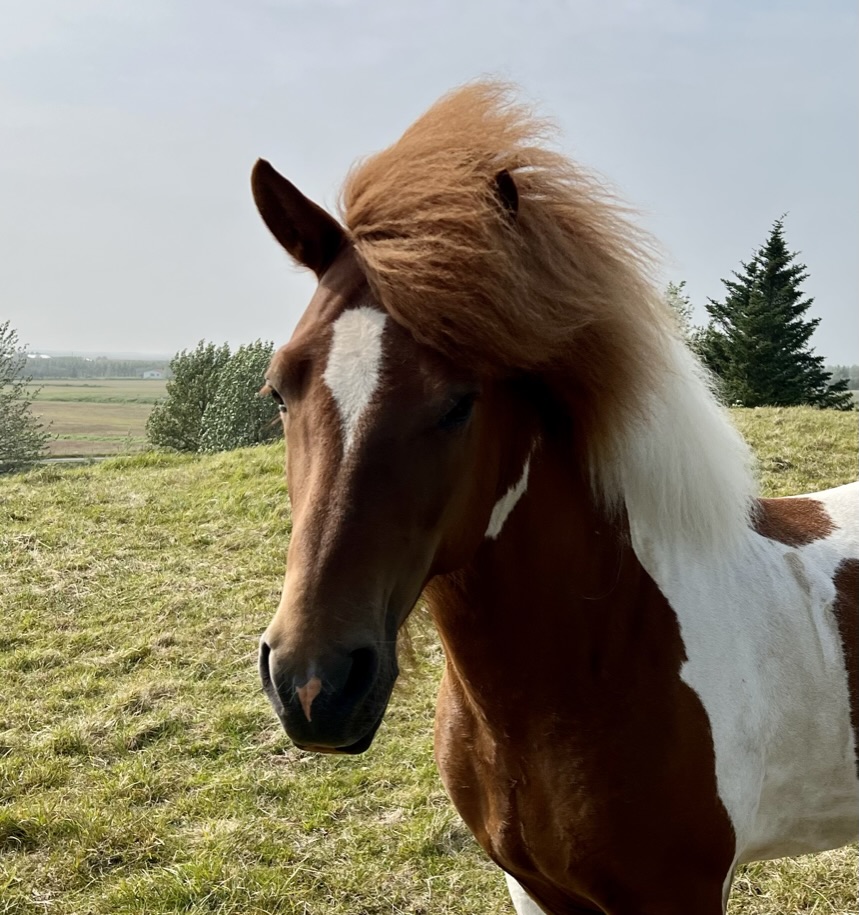
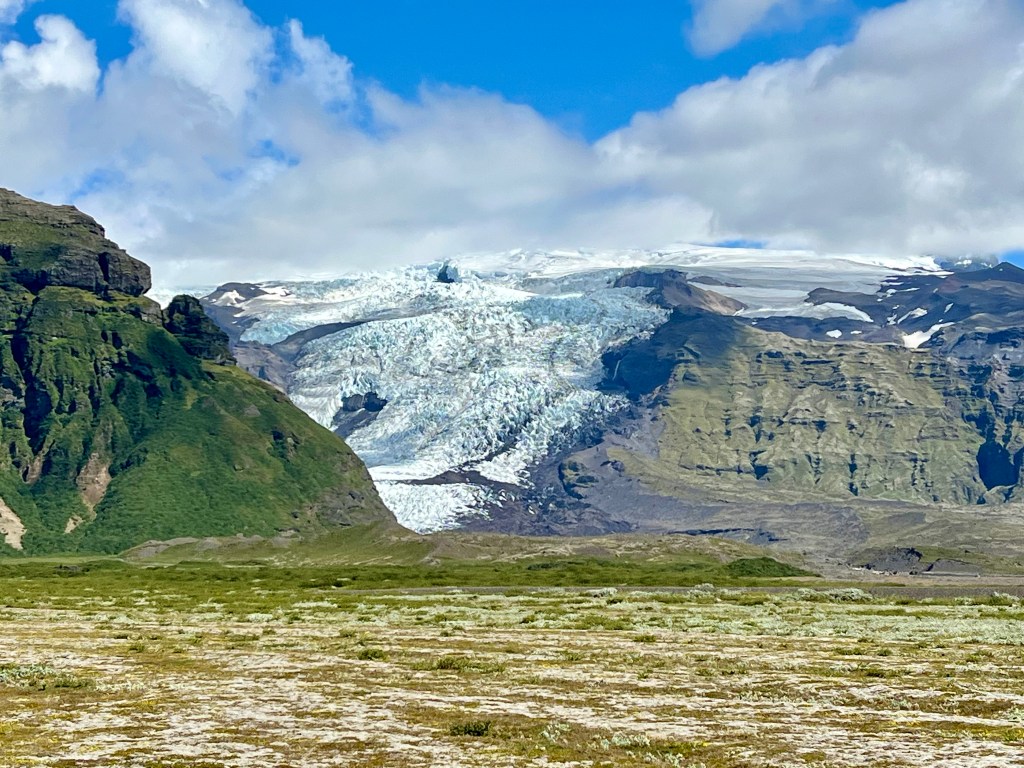

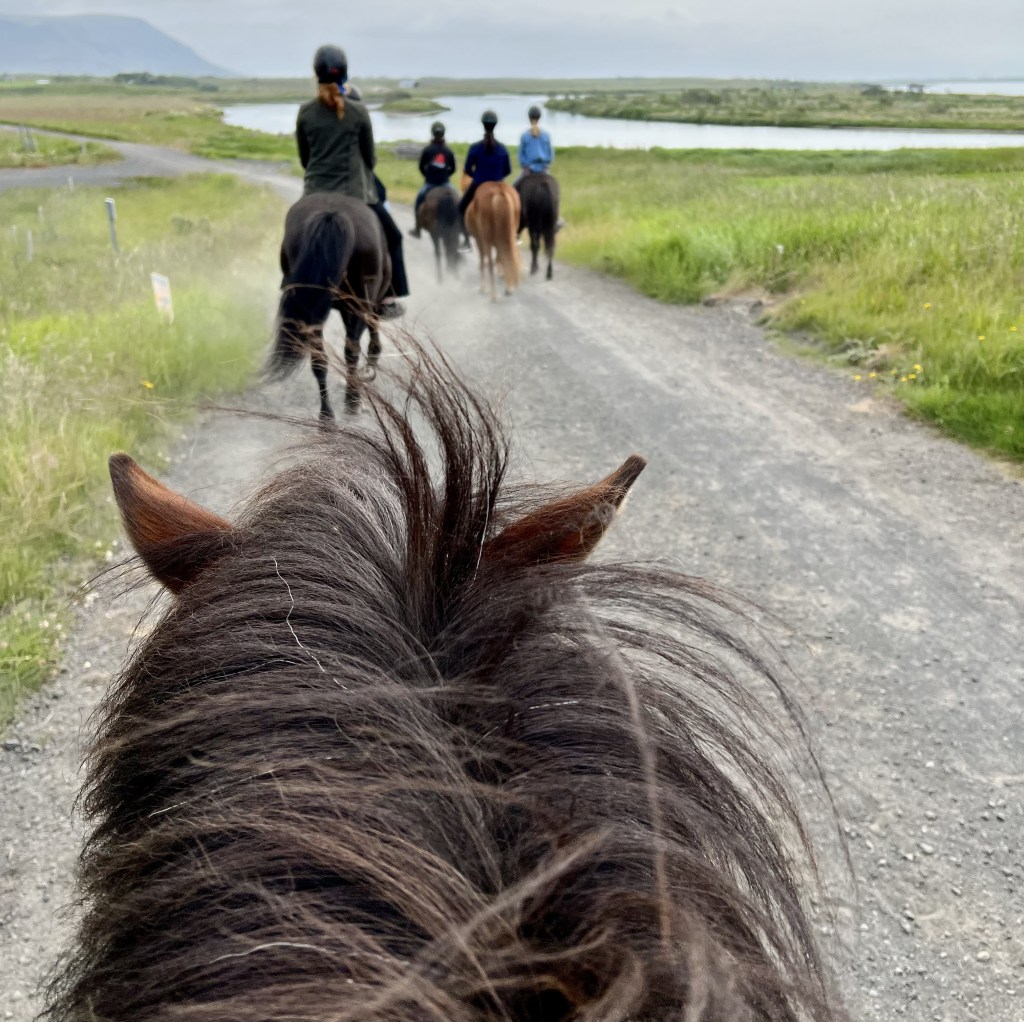
I seriously trained for my day on an Icelandic horse. I had signed up for the “experienced rider” tour with Eldhestar in Ölfus on the South coast, having ridden a lot as a kid and then again competitively as an adult. But that was 30 years ago, so I took some refresher lessons before our trip. The group of only eight riders (including our guide) was indeed experienced, so we had a thrilling day of tölting (it’s a gait between a trot and a canter and is naturally unique to these beautiful, stocky, sweet-natured horses that are descended from a protected gene pool that is more than 1,000 years old). We also raced up a few hills. The scenery was breathtaking—fields full of horses, streams leading to the sandy coast, lava fields with green and pink moss, glaciers and mountains in the near distance.
We spent a day touring the Golden Circle where we hiked in Þingvellir National Park. This is a UNESCO World Heritage Site for a few reasons. Iceland is divided by the Mid-Atlantic Rift; some parts of it, such as the Westfjords and Reykjavík, are on the North American tectonic plate, while others, such as Vatnajökull glacier and the East Fjords, are on the Eurasian plate. Iceland is the only place in the world where this widening rift is above sea-level, and nowhere can you see the edges of both plates as clearly as in Þingvellir. Actually, you can hike between them. Þingvellir also is culturally significant as the site of an ancient version of a modern-day representative parliament (about 800 years before the U.S. and France thought of it.) Þingvellir, (pronounced “THING-VET-leer” and translating to “the fields of parliament”) is where the nation truly began and where almost all its major historical decisions were made.
There’s a pretty waterfall here called Öxarárfoss, and the Almannagjá gorge was a shooting location for HBO’s Game of Thrones series.

Then we drove to the Geysir geothermal area, within the Haukadalur Valley, to see Great Geysir and Strokkur Geysir. Great Geysir (or simply ‘Geysir’) is the earliest documented geyser in European literature and has been active for around 10,000 years. The smaller, more reliable Stokkur Geysir gushes every five to 10 minutes. From there, we went to the iconic Gullfoss waterfall, famous for its power, scale and beauty. (Pro tip: Skip the crowded gift shop and restaurant here. Just park at the first (lower) parking lot.) We ended our day at the Secret Lagoon, which is a family-friendly thermal pool and not really a secret. (It is, however, the oldest swimming pool in Iceland, dating to 1891.)
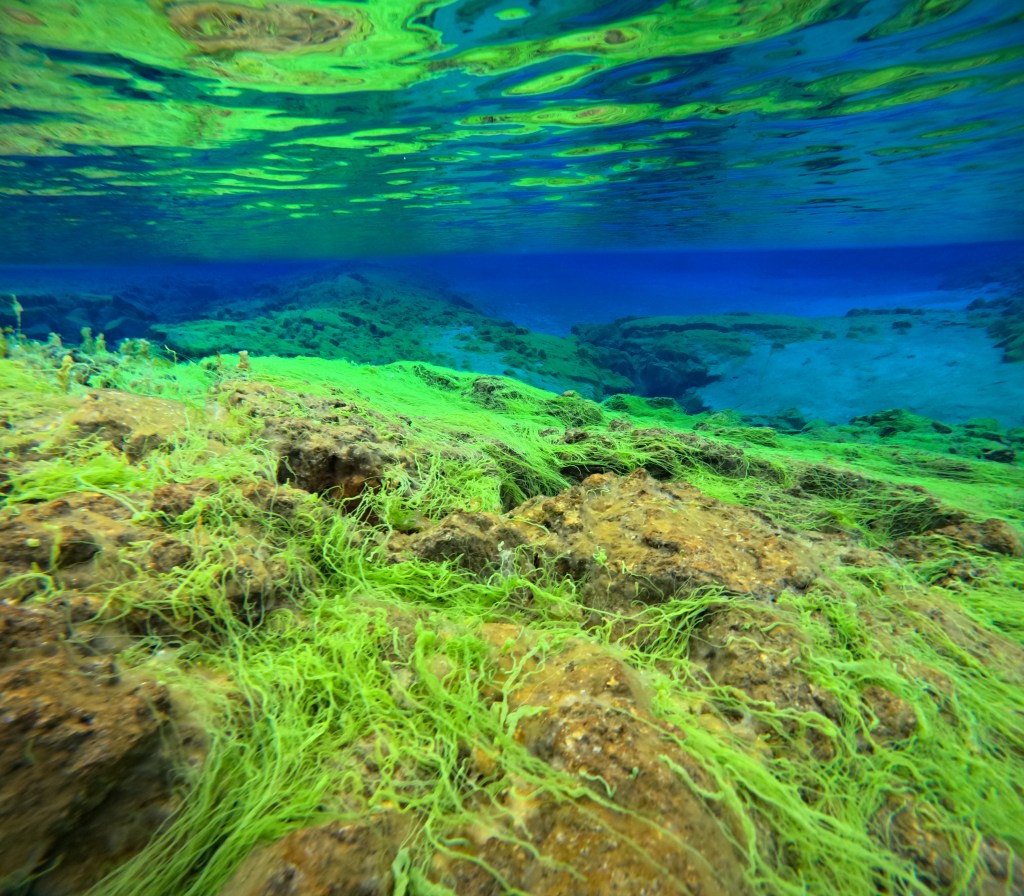
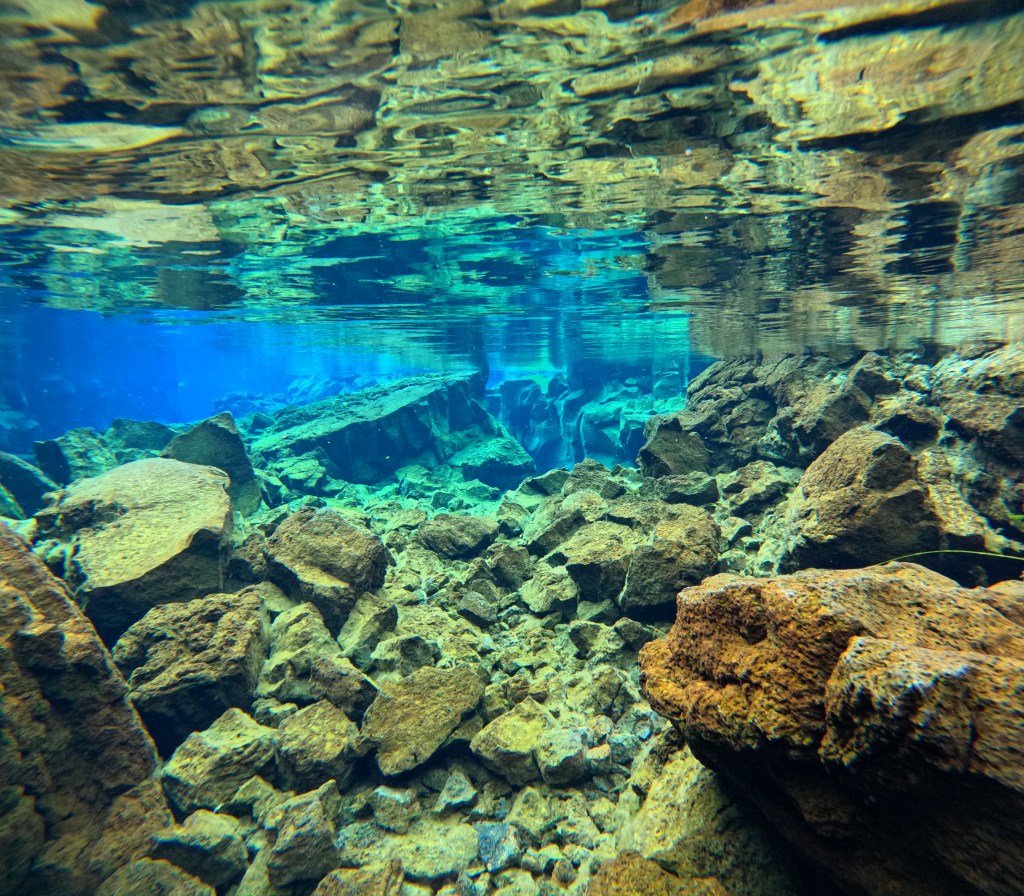
For my final Icelandic adventure, we returned to Þingvellir and I snorkeled between the tectonic plates at Silfra, one of the world’s top five dive sites. The water, between 32 and 35 degrees, is meltwater from Langjökull glacier. It travels underground for decades through porous lava rock, so it’s incredibly pure and crystal clear. We put on dry suits (two bulky layers) and entered another world of magical blue light and neon green “troll hair” algae clinging to giant boulders in this ravine between the tectonic plates. The only tricky part of this: We had to swim around an outcropping of rock and get ourselves into a lagoon before the rift current took us into Þingvallavatn, Iceland’s largest natural lake—where we’d have to be rescued by helicopter. Our guide, Claudia, took beautiful GoPro photos of each of us touching the North American and the Eurasian plates. The best souvenir!


We finished our Icelandic vacation with a laid-back afternoon at the world-famous Blue Lagoon, where we lounged in the warm water, visited the swim-up mask bar (three different facial masks—lava scrub, silica mud and algae—from the lagoon) and the swim-up bar bar for cold beers.

We always end our vacations the same way: We find a place for people watching, we order something local and cold to drink and we talk about what we loved most about the trip.
We’ve never done this in a thermal lagoon, and we’ve never had so much to love.
Food
I’m going to tell you now that food in Iceland is expensive.
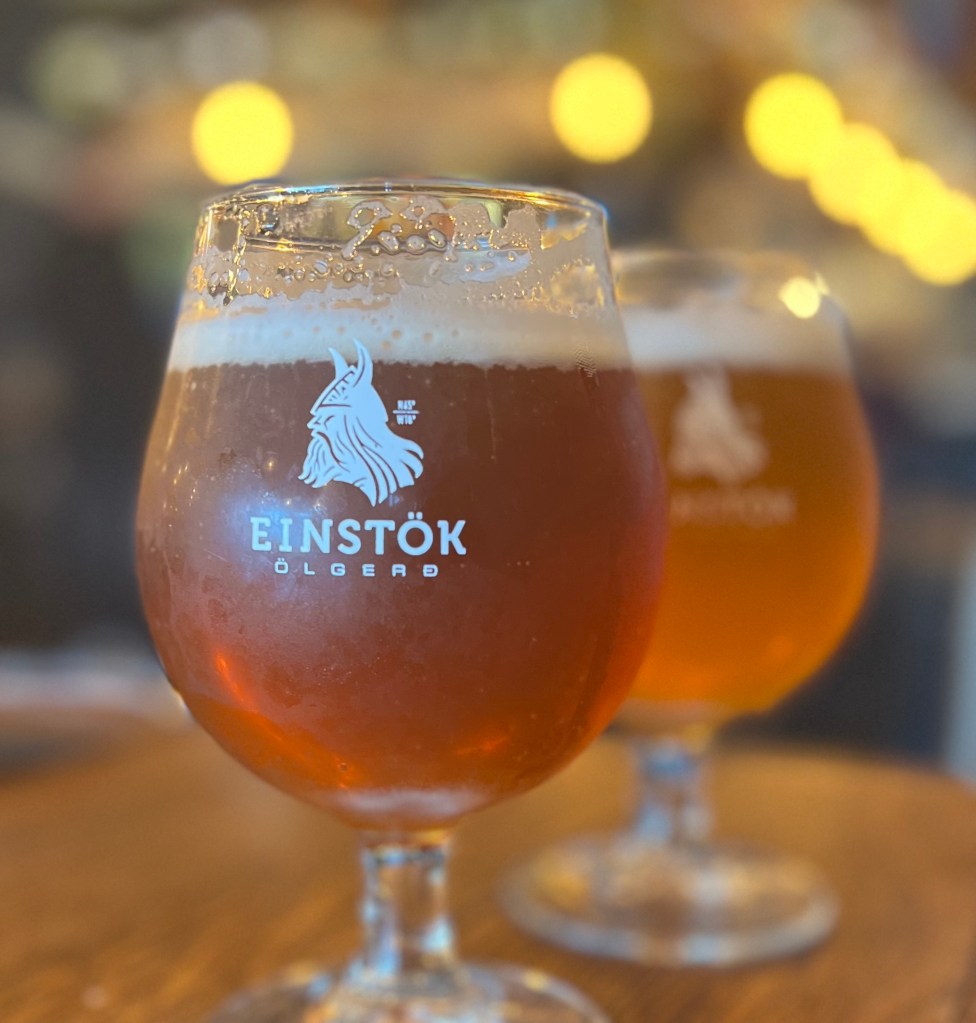
At the Bryggjan Brugghús, a brewpub in an old fish processing plant near the harbor in Reykjavik, we had two draft beers and a hamburger each and that cost $120. And this at the very place they are brewing the beer! Our $37 hamburgers did come with fries. (Interestingly, full-strength beer was illegal in Iceland until 1989 and since then, the craft beer scene has surged.)
We steered away from the fermented-shark-served-with-a Brennivin-shot and found lots of other local dishes to enjoy. We ate lamb hot dogs at Baejarins Beztu Pyslur in Reykjavik, lamb sandwiches at the family-run (and so friendly!) Systrakaffi in Kirkjubæjarklaustur out east and traditional lamb soup with rye bread at Café Loki in Reykjavik. (We did not get tired of lamb.)
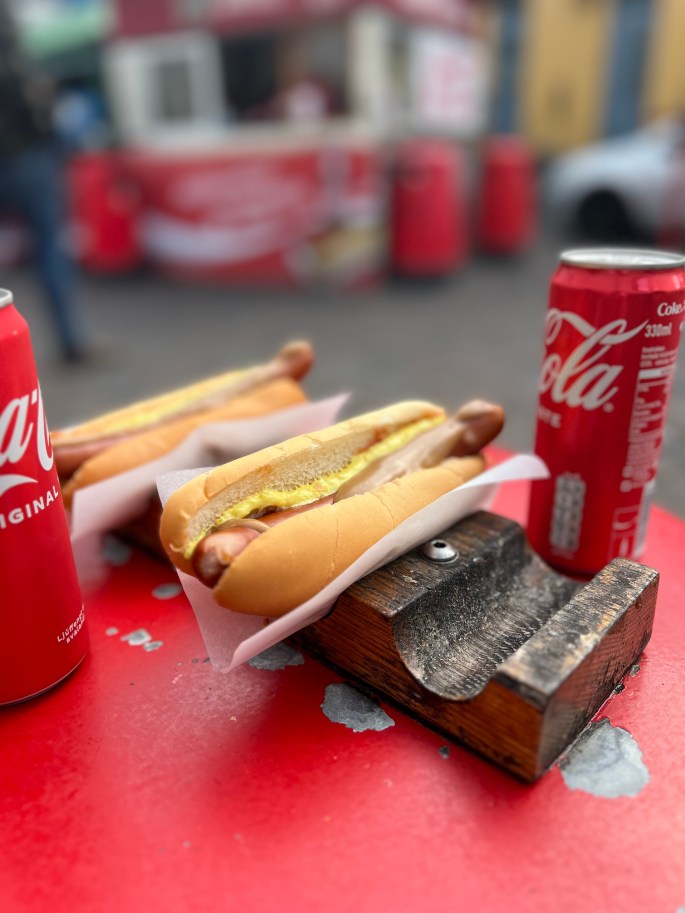
A few words about Baejarins Beztu Pyslur since we loved this hot dog experience so much. The name translates to “The bezt in Town!” This hot dog stand was founded in 1937, and the iconic cart in Reykjavik always has a line. But the guys get “paid by the dog,” so the line moves quickly. Eat there at one of the tables with the built-in hot dog holders. Watch for hot dog-thieving seagulls! The hot dogs, a blend of lamb, beef and pork, are best ordered eina með öllu, or “one with everything”: that is ketchup made from apples, Icelandic mustard, raw onions, fried onions and remoulade. Delicious!


We loved Icelandic Street Food, a family-owned restaurant in the oldest part of town. (We found it by Googling “cheap eats Reykjavik” after the brewpub hamburger surprise.) This place offers soup and bread and beer as well as “Happy Marriage Cake” and dessert pancakes. All grandma’s recipes. And there are free waffles. It’s the first fast-food concept in Iceland with traditional Icelandic fare. We had shellfish soup with scallops and shrimp in a langoustine broth, but there also was traditional lamb soup as well as two other soups including a spicy tomato concoction. The deal was this: Buy the soup you want, and you get unlimited free refills of the others.
Fish is a must on this island, and we enjoyed a delicious and romantic dinner at Fish Company in Reykjavik. Sort of below ground level, it looks like it’s from another century—because it is. The restaurant is in one of the oldest houses in Reykjavik. We watched a couple next to us play chess with their extensive sushi platter while we enjoyed the three-course “fish festival” tasting menu with a delicious lobster soup made with chestnuts and cardamon, three different kinds of fresh fish and tiramisu.


But the real culinary highlight of the trip was dinner at Dill Restaurant, a New Nordic restaurant inspired by the landscape around it and the first in Iceland to be awarded a Michelin star. Dill Chef Gunnar Gíslason is a foundational figure in Icelandic cooking. In 2009, he opened Dill, which completely energized Reykjavík’s entire food scene. Hidden away up a spiral staircase on the city’s main shopping street, the restaurant serves a 16-course menu highlighting small producers (seaweed foragers, organic barley farmers) and seasonal ingredients (lumpfish roe, crowberries). We had monkfish cheeks with sea truffles, sirloin (from cows that are fed beer and massaged daily) and parsnip ice cream with caviar. Presentation is as amazing as the food. We had cured wild goose served on a rock, tiny onion cakes with carrots on a jewel box full of onion skins and fermented bilberries nestled in a nest of dried leaves. Three hours later, we were convinced we had experienced the very best of modern Icelandic cuisine.
I have an itinerary I will happily share, along with hotel suggestions, clothing tips and other things. I highly recommend reading Rick Steves’ Iceland and getting the accompanying map. Also, listen to How Iceland Changed the World: The Big History of a Small Island by Egill Bjarnason before you go for important cultural and historic info that will enhance your trip; listening to this book helps you learn to pronounce the very difficult place names, too.)


Fascinating. I’d love to try the Icelandic horse rides, and see the puffins in such large colonies. Thanks for sharing your travels with insights.
LikeLike